Wander
Dotonbori canal morning walk
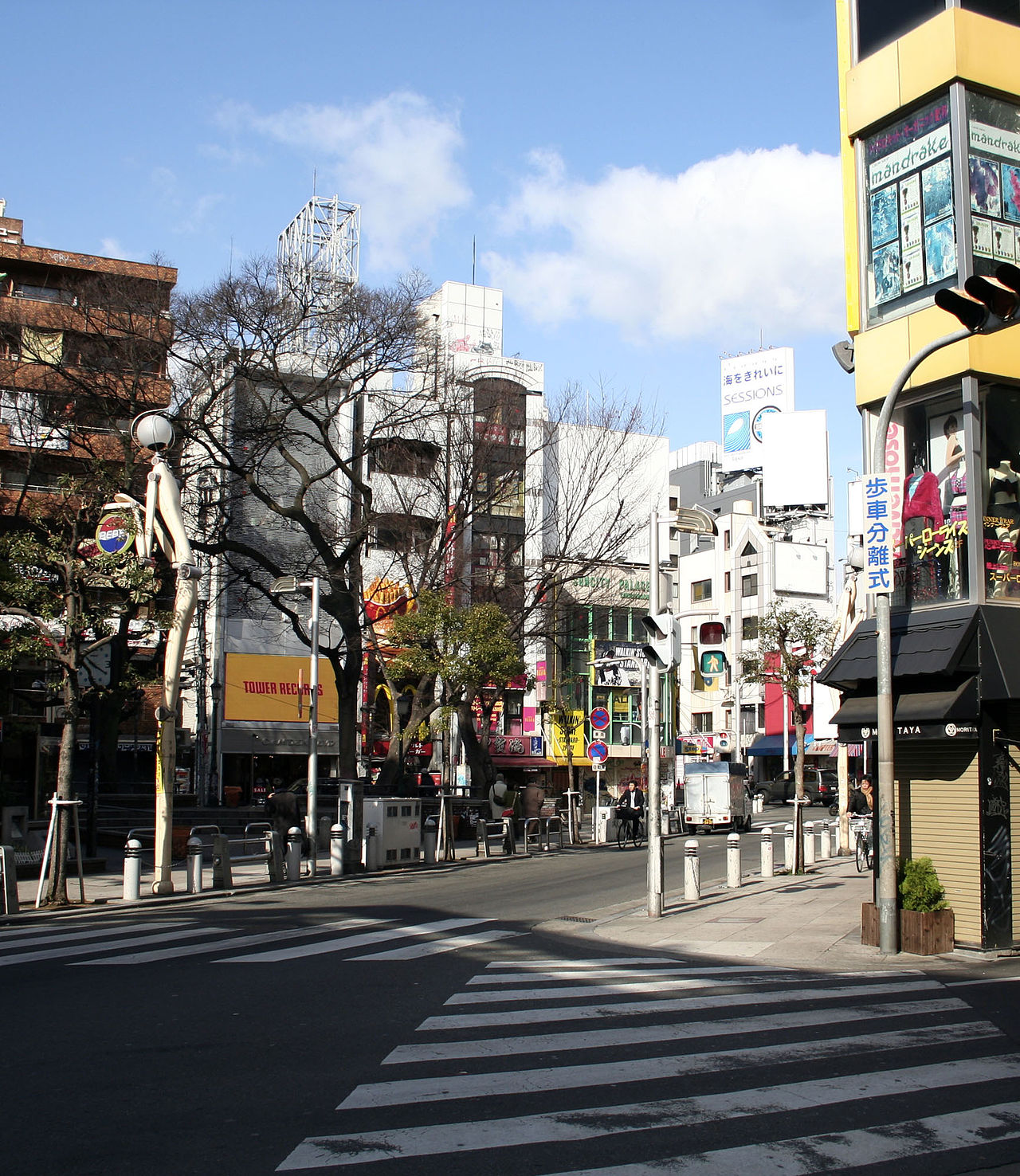
The Glico running man and mechanical crab look magnificently absurd in morning light; grab fresh takoyaki at the first open stall.
食い倒れ大阪
Osaka earns its nickname as Japan's kitchen with the same brazen confidence it brings to everything else — loud, generous, and permanently hungry, with a castle that stands above it all like a gentle joke.
The Glico running man and mechanical crab look magnificently absurd in morning light; grab fresh takoyaki at the first open stall.
The reconstructed keep houses a clever feudal history museum; the cherry-blossom moat below is one of Japan's prettiest public gardens.
Two hundred stalls selling live uni, tuna sashimi, and Kobe beef skewers eaten at the counter — Osaka's culinary soul in one covered arcade.
One of Japan's oldest shrines, predating Buddhism in Japan, with a famous arched bridge over a mirror carp pond.
A 1950s working-class neighbourhood that never gentrified: kushikatsu bars, pachinko halls, and the Eiffel Tower-inspired Tsutenkaku.
A moss-covered stone deity in a cobblestone alley, doused with water by pilgrims for good fortune — serene amid Namba's bustle.
Dedicated to the god of scholarship, this Tenma shrine draws students and locals alike for a quiet morning visit, its wooden halls and lantern-lined approach a calm counterpoint to Osaka's louder attractions.
The Pacific Ring of Fire tank is eight storeys tall and contains whale sharks; children and adults alike press their faces to the glass.
Japan's tallest skyscraper tops out at 300 metres — on clear days Awaji Island and the Kii Peninsula are visible across the bay.
Rooftop garden terraces stacked above a shopping complex beside Namba station — oddly serene in the middle of the afternoon rush.
Osaka's answer to Akihabara is smaller, more approachable, and better stocked with retro cartridges and maid-café menus.
Japan's largest Korean market: blistering galbi grills, jars of kimchi, and fabric shops selling silk in every hue.
A slender island between two rivers where rose gardens front a magnificent Meiji-era public hall and a contemporary art museum.
At the museum devoted to the invention of instant noodles, an afternoon workshop lets visitors design and seal their own custom cup, a playful bit of culinary history you can carry home.
Takoyaki, okonomiyaki, and fugu at the cheapest price in Japan — eat standing at the counter, follow the queues.
The two cobblestone alleys behind Hozenji shrine are lined with red lanterns and intimate counter restaurants: kaiseki, sashimi, and charcoal-grilled eel.
Two towers connected at the top by an open-air circular walkway — the escalator through the void alone is worth the admission price.
Osaka's Bohemian quarter clusters small live-music venues around Triangle Park; the jazz bars here are intimate, well-priced, and wonderfully uncommercial.
After the tour groups leave, the castle's white walls and gold trim are lit against the dark and reflected in the moat, ringed by a park that stays open long after sunset. It is a quiet, cinematic way to see the city's most famous silhouette.
Three-person puppeteers work in full view of the audience, their handmade figures brought to life by a chanting narrator and the plaintive pull of a shamisen. It is centuries-old storytelling that rewards close attention.
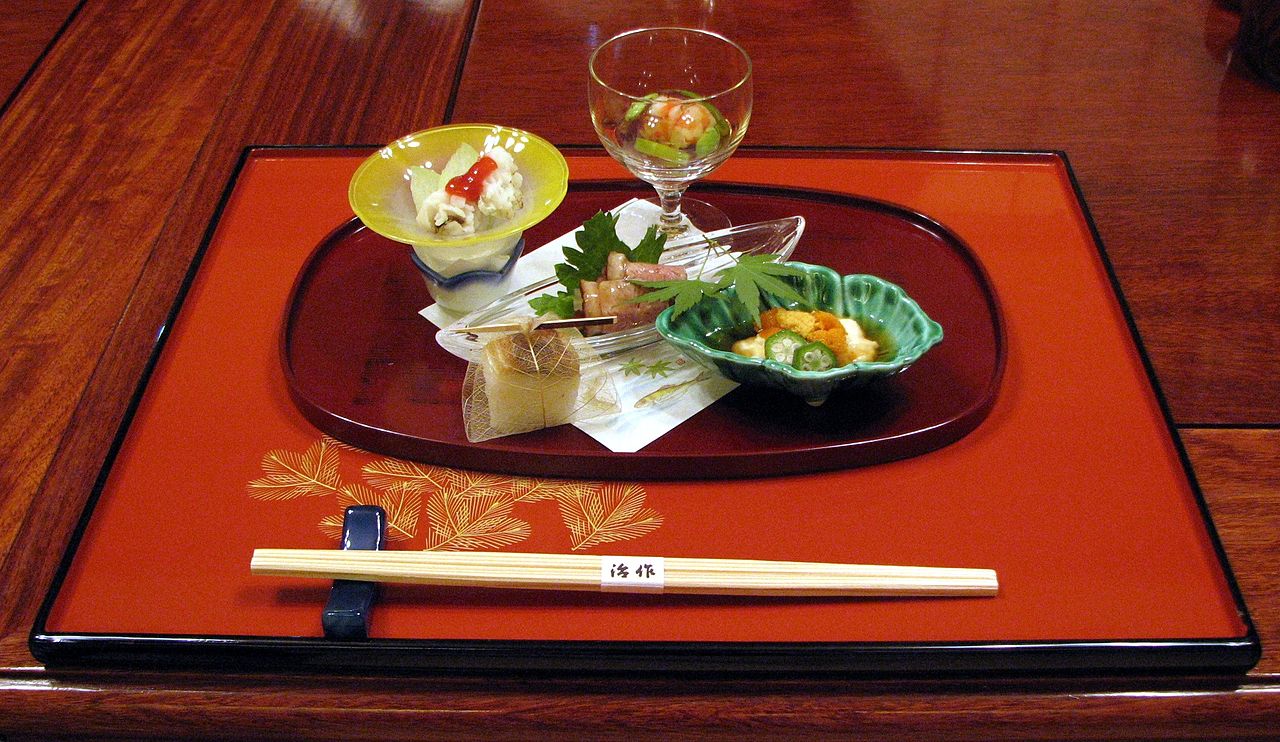
Behind unmarked doors in Osaka's most refined dining quarter, chefs serve seasonal courses one plate at a time at a wooden counter built for conversation. It is an evening of quiet indulgence far from the Dotonbori crowds.
Osaka's most storied luxury address in the heart of Nakanoshima, with a dedicated tea-ceremony room, a La Prairie spa, and the city's finest kaiseki counter in Restaurant Hana.
Levitating above the Nakanoshima island at floors 33 to 40, Conrad Osaka's glass sky lobby and infinity-edge pool give guests an unobstructed panorama from Osaka Bay to the Ikoma mountains.
Opened in Dojima, a business district anchoring Kita Ward's skyline, the Four Seasons anchors its soaring atrium with bespoke Nishijin silk installations and offers a private sake sommelier who curates omakase pairings by floor.
Tadao Ando's geometry is echoed in W Osaka's concrete-and-crystal interiors, where the WET deck pool overlooking Shinsaibashi and the Living Room bar host the city's most electric after-dark scene.
Rates change — check the live price.
Photography shows the dishes and cuisine — representative, not from the restaurants themselves.
Three-Michelin-star cuisine rooted in Osaka's shunkashuutou seasonal philosophy. Reserve weeks ahead.
The original Shinsekai kushikatsu bar — order the assorted set and never, ever double-dip.
First-generation okonomiyaki shop on Dotonbori: the Osaka-style pancake, thick and eggy, cooked on the iron in front of you.
Open all night under the dragon sign on Dotonbori — the tonkotsu here is rich enough to justify the queue.
Sixteen-seat counter in a quiet side street; the chef sources directly from Tsukiji and Kuromon — book a week ahead.
A serious roastery just off the Shinsaibashi shopping strip, pouring 20-plus single-origin beans with real technique. Order a hand-drip pour-over with a butter cookie or a canelé and take one of the counter seats.
Osaka locals eat while standing — order small portions from multiple stalls and never apologise for going back for seconds.
At kushikatsu counters the communal sauce bowl is shared; the single-dip rule is absolute and happily enforced.
The interior gets crowded by 10:00; go at opening and spend the saved time in the Nishinomaru garden.
The Osaka subway is cheaper and often faster than the Shinkansen for a day trip into neighbouring Kyoto.
Osaka is Japan's most affordable big city for food; a brilliant meal rarely exceeds ¥2,000 at lunch.