
Nature
Dawn at the Arashiyama bamboo grove
Walk the towering green corridor before the crowds, when the light filters down and the only sound is creaking stems.
Days in the old capital
A thousand years of temples, raked-gravel gardens and geisha lantern-light, balanced with bamboo groves at dawn, kaiseki dinners, and slow afternoons over matcha in a wooden teahouse.
Walk the towering green corridor before the crowds, when the light filters down and the only sound is creaking stems.
Climb the mountain trail of vermilion torii gates at first light — quieter, cooler, and almost mystical.
The gold-leaf pavilion mirrored in its reflecting pond — go at opening for the still water.
Sit before the famous raked-gravel rock garden and let fifteen stones do their quiet work.
Kyoto's narrow 'kitchen' — pickles, tofu doughnuts, soy-milk sweets and skewers, one stall at a time.
Open-sided carriages rattle slowly along the Hozugawa gorge just as the morning mist lifts off the river. It is a gentle, scenic prelude before the temples fill with the day's crowds.
Japan's tallest wooden pagoda anchors a quiet temple complex best seen right after the gates open, when the koi pond mirrors all five tiers undisturbed.
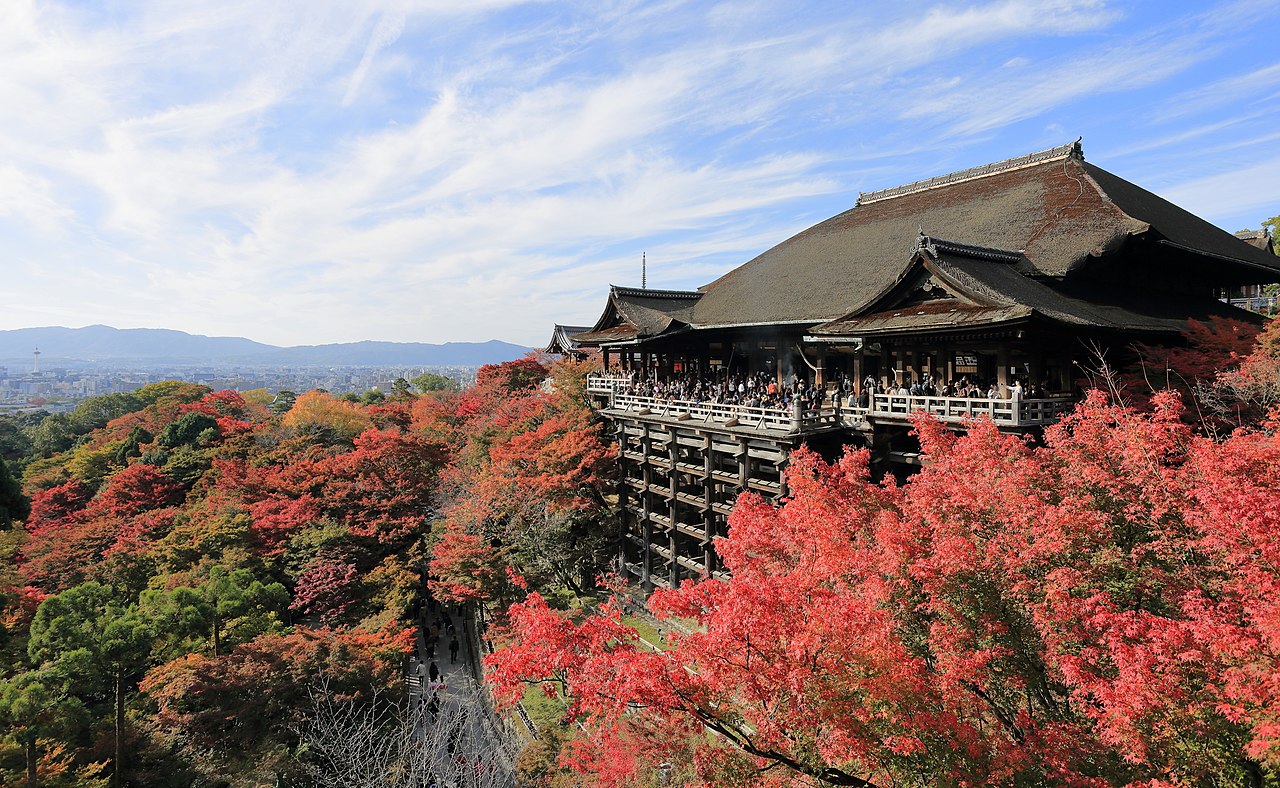
The great wooden veranda over the hillside, then the preserved slopes of Sannenzaka for matcha soft-serve.
A guided ceremony in a tatami room — the whisking, the bow, the seasonal sweet, the long pause.
Follow the canal-side path between temples beneath the trees — cherry in spring, fire-red in autumn.
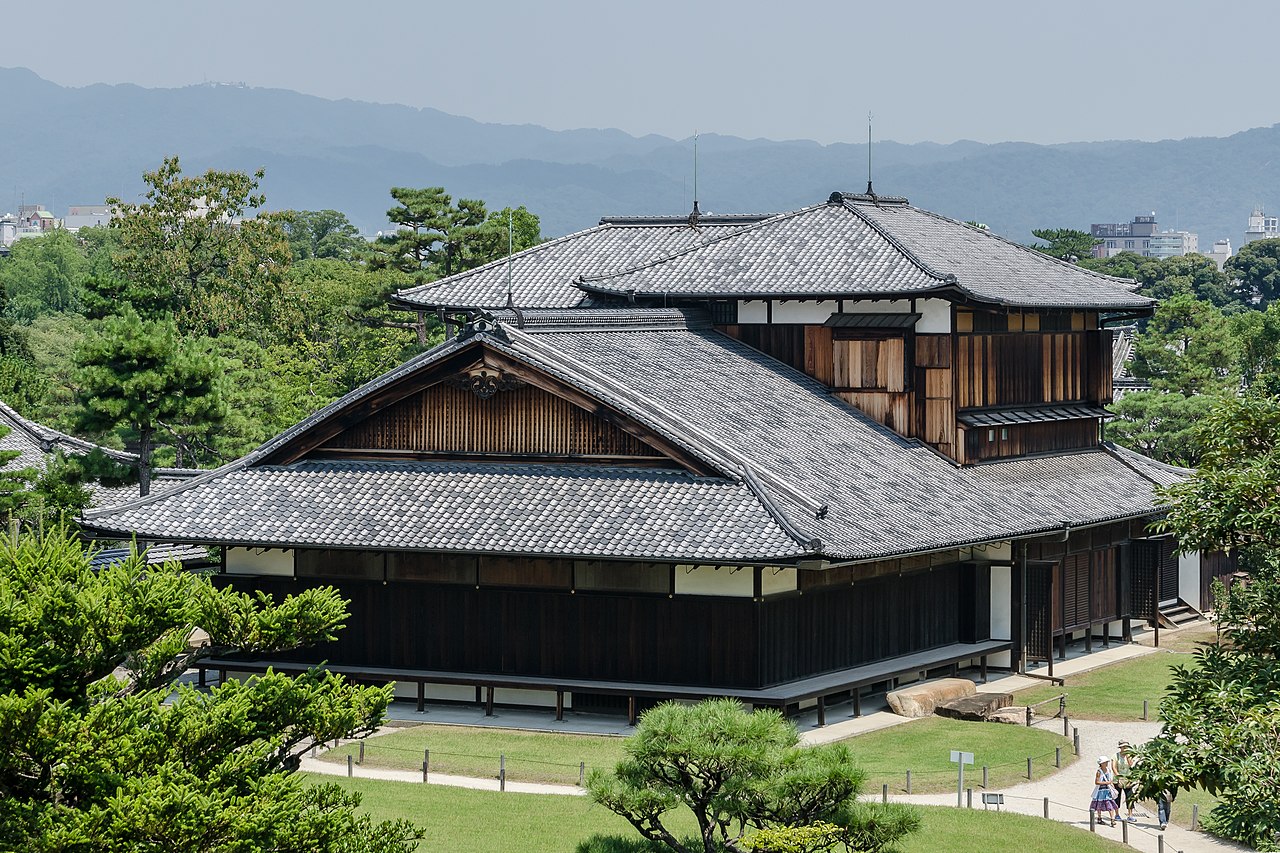
Shogun's palace with floors built to 'sing' underfoot to foil intruders, set in a moated garden.
Be dressed in a seasonal kimono and wander the wooden machiya streets of the old geisha district.
Bow to the free-roaming deer and stand before the Great Buddha of Tōdai-ji, an hour from the city.
Tour a centuries-old brewery in Kyoto's sake district and taste the soft local water's signature.
Lantern-lit Hanami-koji at dusk, when geiko and maiko slip between teahouses for the evening's engagements.
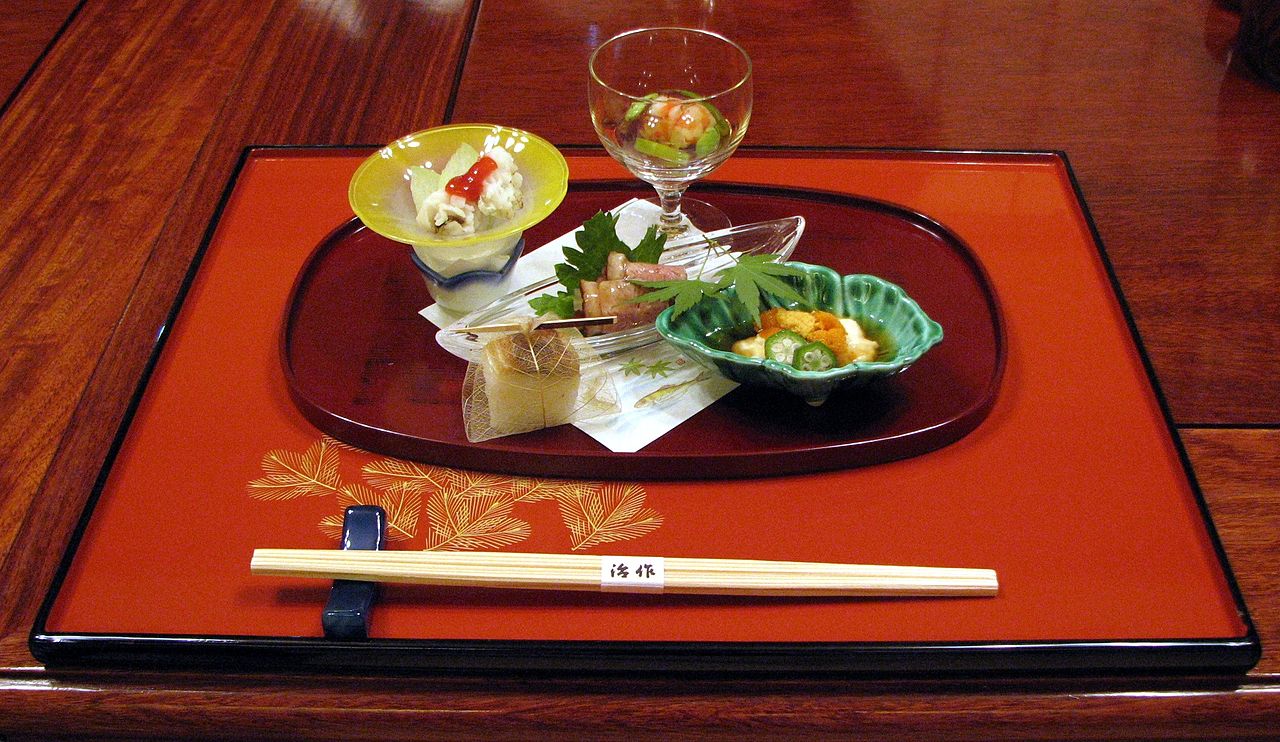
The multi-course seasonal art form — each tiny plate a study in restraint, served in a private room.
A lantern-strung lane of tiny riverside bars and grills — sit at the counter and point at what looks good.
Seasonal evening light-ups turn the temple's bamboo and pond gardens into something otherworldly.
Come dusk, Kyotoites spread along the Kamo River's grassy banks to talk, sip, and watch the light fade behind the eastern hills. It is the city's most democratic evening ritual, and its most soothing.
A troupe of taiko drummers turns rhythm into something physical, the sound rolling through a small theatre like distant thunder. It is a bracing counterpoint to a day spent among quiet temples.
Smoke curls from charcoal grills along the lantern-lit lanes below Kiyomizu-dera as skewers of chicken and vegetables sizzle to order. Order by the stick and let the evening unspool slowly.
Overlooking the Kamogawa River with the Higashiyama mountains as its permanent backdrop, this urban sanctuary blends lacquerware art, Japanese seasonal kaiseki cuisine, and Ritz-Carlton's legendary precision into one timeless address.
Hidden at the foot of a moss-carpeted ancient forest, Aman Kyoto's pavilion suites open directly onto stone-lantern garden paths and a cedar-scented onsen fed by mountain spring water, offering the purest expression of wabi-sabi ever conceived as a hotel.
Set along the Oi River facing the bamboo grove, its curated antiques, private boat dock for moonlit river outings, and celebrated kaiseki dinners capture the very soul of classical Kyoto with unhurried intimacy.
Tucked inside a lovingly restored machiya townhouse steps from Gion's lantern-lit cobblestones, SOWAKA's 20 rooms and a dedicated sake sommelier for rare regional pairings make it the most discerning small hotel in the ancient capital.
Rates change — check the live price.
Photography shows the dishes and cuisine — representative, not from the restaurants themselves.
The temple of seasonal kaiseki. A bucket-list meal — book weeks ahead through your hotel.
Refined yudofu (hot tofu) by the canal — vegetarian-friendly and deeply Kyoto.
Rich, modern bowls and a friendly counter. Worth the short queue.
Counter tempura fried to order in a beautiful machiya townhouse.
Riverside espresso with a view of the pagoda — the city's cult coffee window.
Pick any lantern-lit door for skewers, sake and river breeze.
Load an ICOCA or Suica card for buses, trains and even vending machines — far easier than coins.
Most shrines and gardens shut by 16:30–17:00. Front-load sightseeing and save evenings for districts and food.
Don't chase or photograph geiko on private streets — many side alleys now ban photography entirely.
Many small restaurants and temples are cash-only. Convenience-store ATMs accept foreign cards.
Arashiyama and Fushimi Inari are transformed before 8:00 — set an early alarm, nap in the afternoon.