
Market
Nijo Market seafood breakfast
Snow crab, uni over rice, and Hokkaido scallops grilled on the shell — eat at counter stools as vendors call out the morning's catch.
北の大地へ
Japan's northernmost island trades urban intensity for vast sky and silence — volcanic steam rising from Hell Valley, purple lavender carpeting Furano in July, and the richest dairy and seafood the country produces.
Snow crab, uni over rice, and Hokkaido scallops grilled on the shell — eat at counter stools as vendors call out the morning's catch.
A cathedral avenue of century-old ginkgos turns solid gold in October — one of Japan's most beautiful campus walks, free and largely tourist-free.
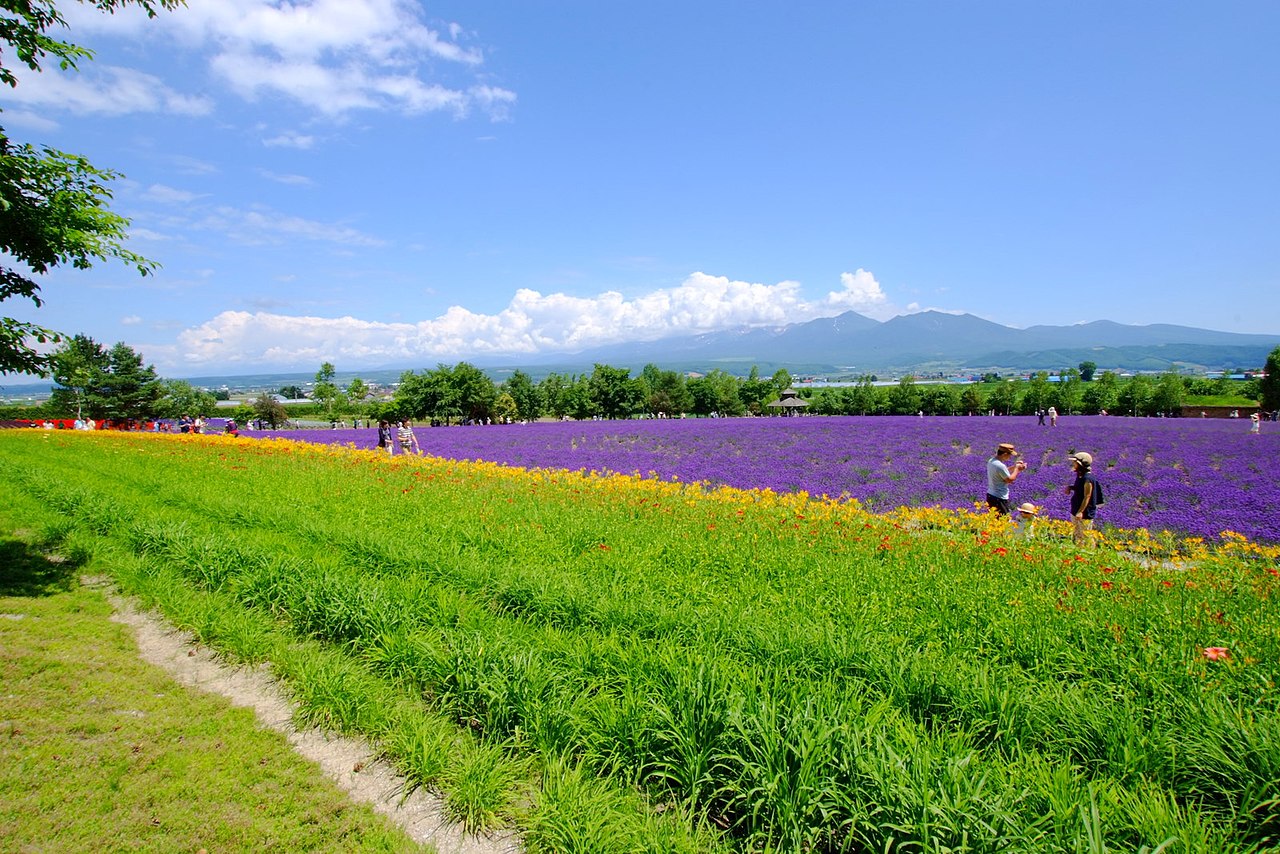
Lavender rolls to the horizon in July and August; arrive early to walk the rows before tour buses appear and the scent is at its sharpest.
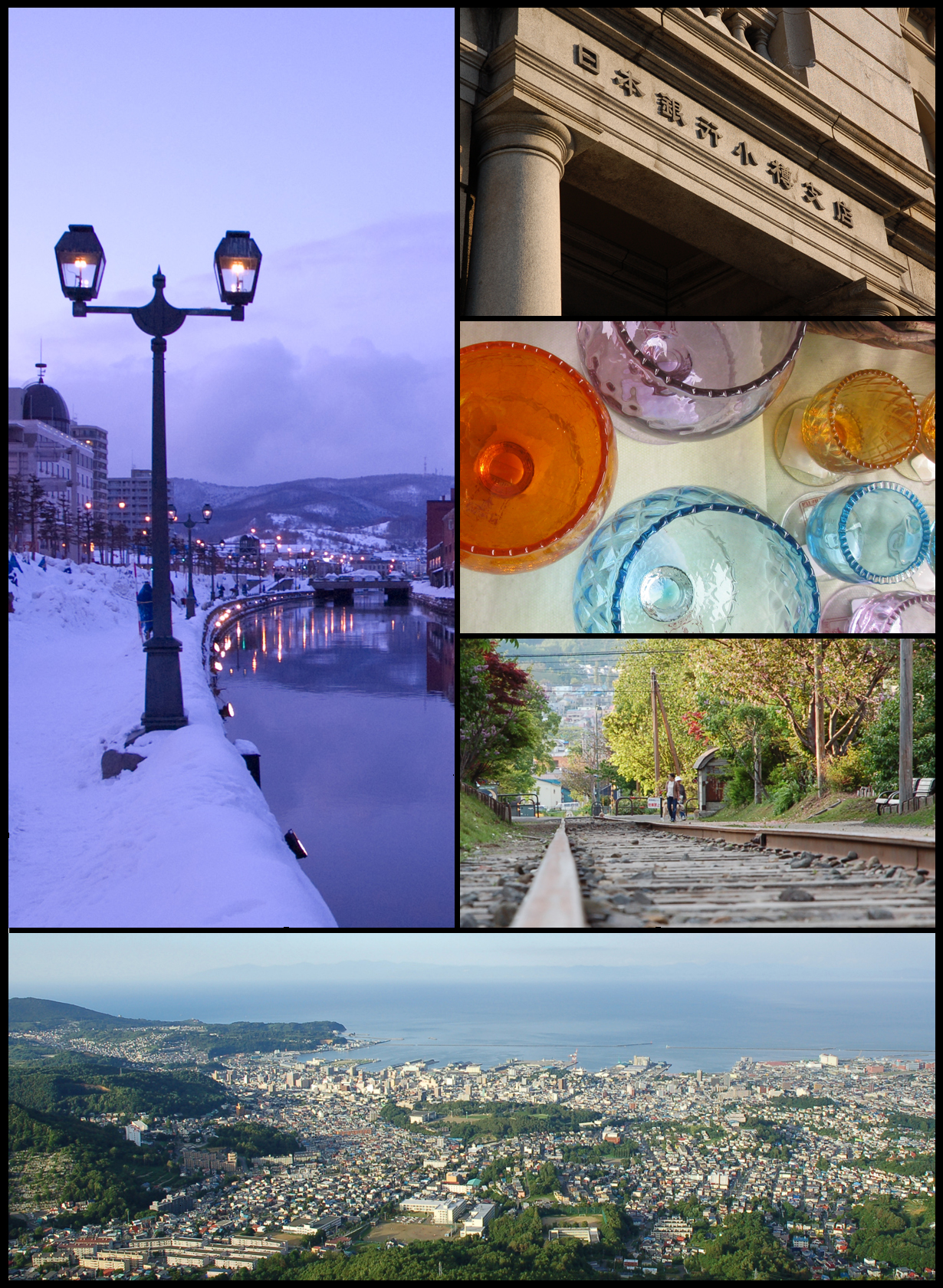
The old herring-fishing port now hosts glassblowing studios in its brick warehouses; watch artisans work and commission a piece to take home.
An unnervingly vivid cobalt lake formed by aluminium hydroxide deposits; submerged silver birches stand like ghost trees in still water.
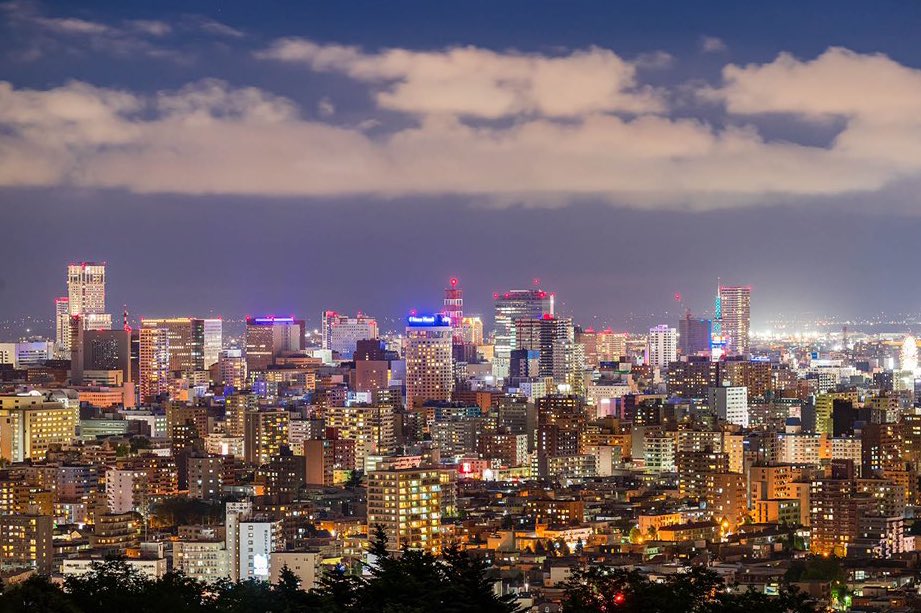
Gondola to Sapporo's best city panorama — on winter evenings this is one of Japan's three great night views; mornings are quieter and equally stunning.
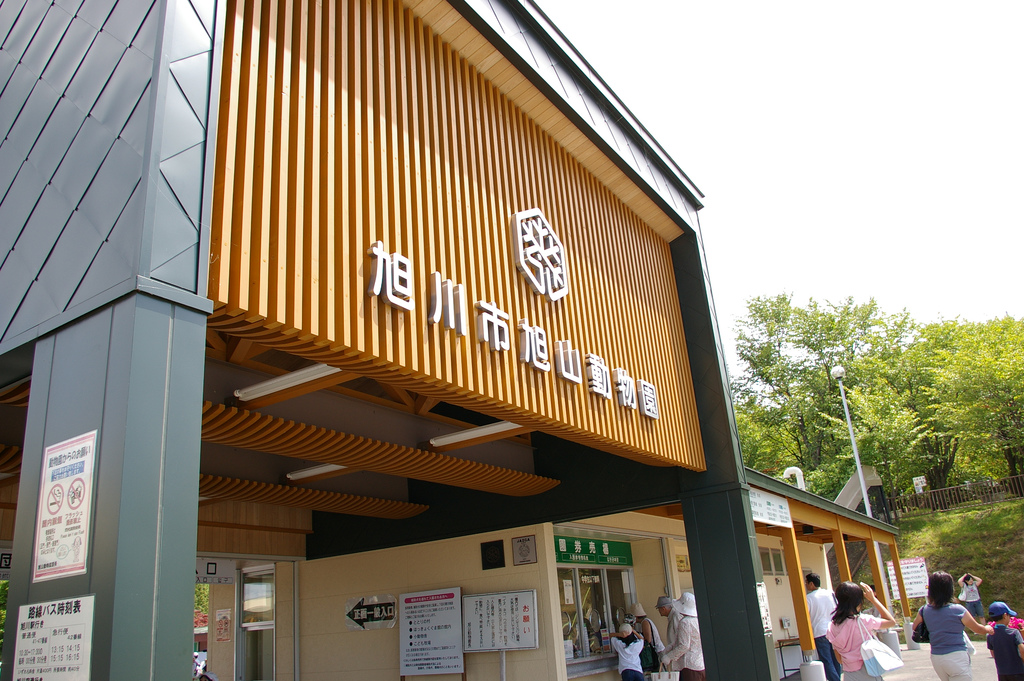
Famous for enclosures designed around animal behavior rather than display, this zoo in Asahikawa lets penguins waddle past visitors and polar bears dive at eye level, best seen before midday crowds build.
A Victorian red-brick former brewery houses the story of Hokkaido's most famous export; sample the full lineup in the beer hall below.
Rolling hills of wheat, potato, and lavender striped in greens and ochres — the patchwork-road drive covers ten kilometres of painting-like countryside.
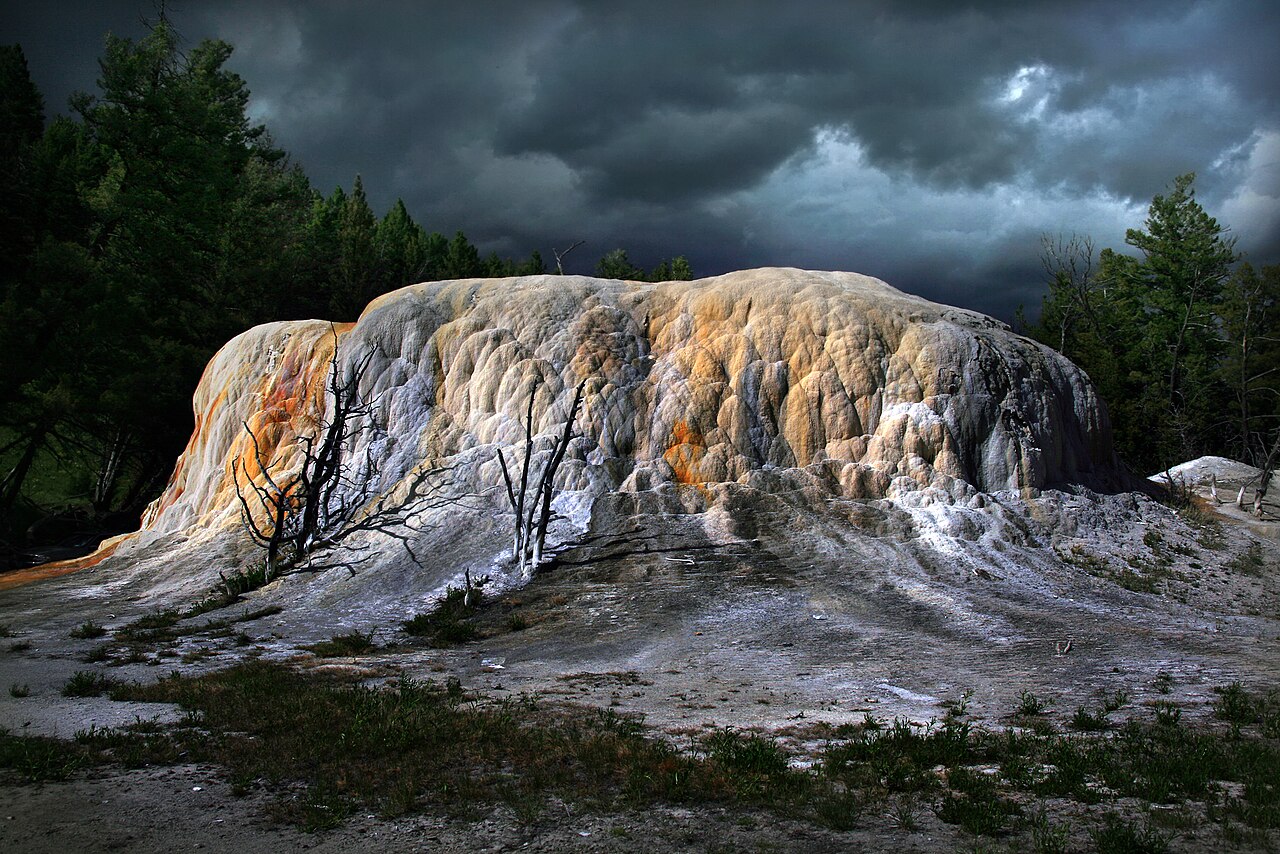
Sulphurous steam vents and boiling grey mud pools in a volcanic caldera — the path winds past demon sculptures to a jade-coloured lake.
Fifty relocated Meiji-era buildings across a snowy park: pioneer farmhouses, old post offices, and a working period-style noodle restaurant.
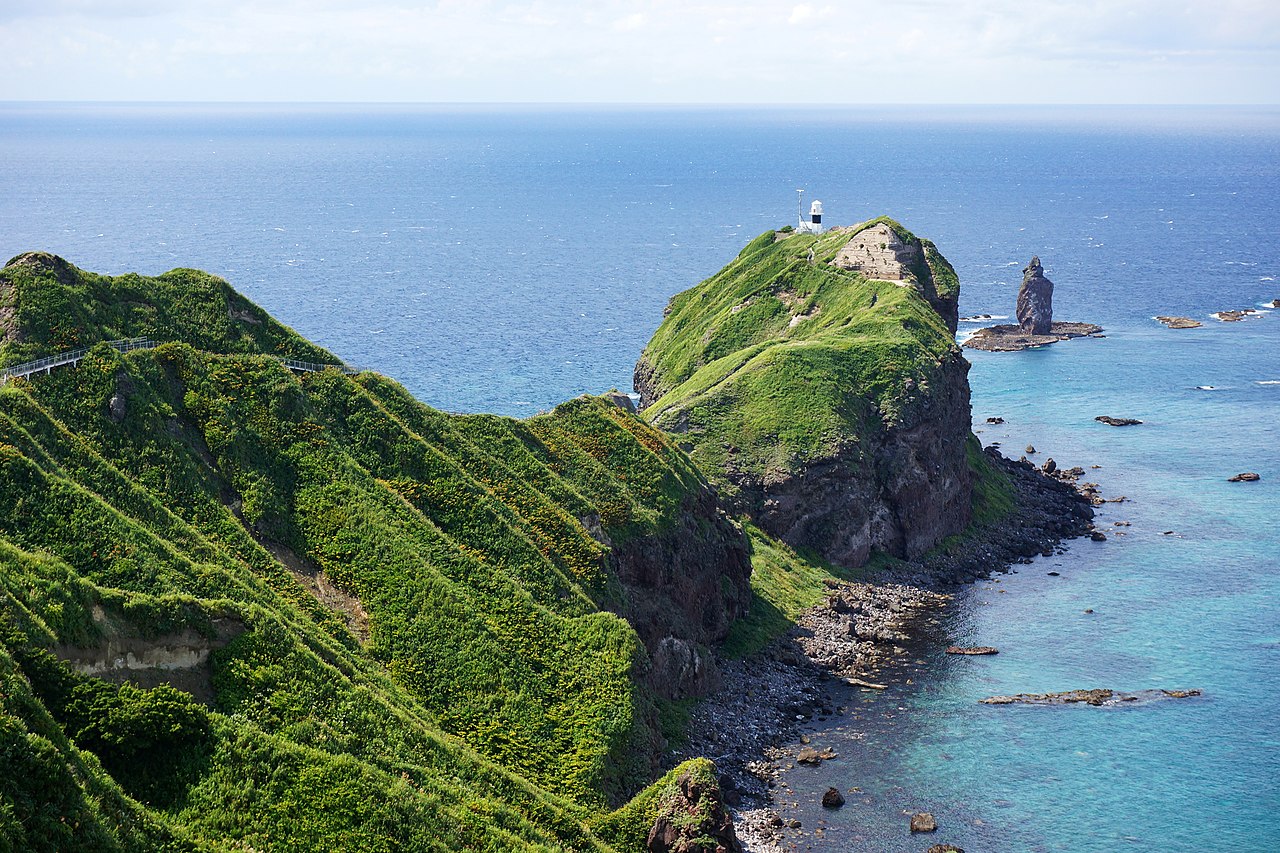
A dramatic headland walk along the Shakotan Peninsula where turquoise sea meets sheer red cliffs; dolphins are spotted offshore in summer.
A broad forested approach road leads to the island's most important shrine; the surrounding park is ideal for a slow afternoon.
One of the clearest caldera lakes in Japan, Shikotsu rarely freezes even in deep winter, and paddling its still, glass-like water beneath surrounding volcanic peaks is a quiet afternoon reward.
Seventeen ramen shops in one narrow alley — the miso broth here, invented in Hokkaido, is the definitive version: corn, butter, and black pepper.
February's Yuki Matsuri lines Odori Park with massive hand-carved snow and ice statues; the illuminated night displays are unlike anything else on earth.
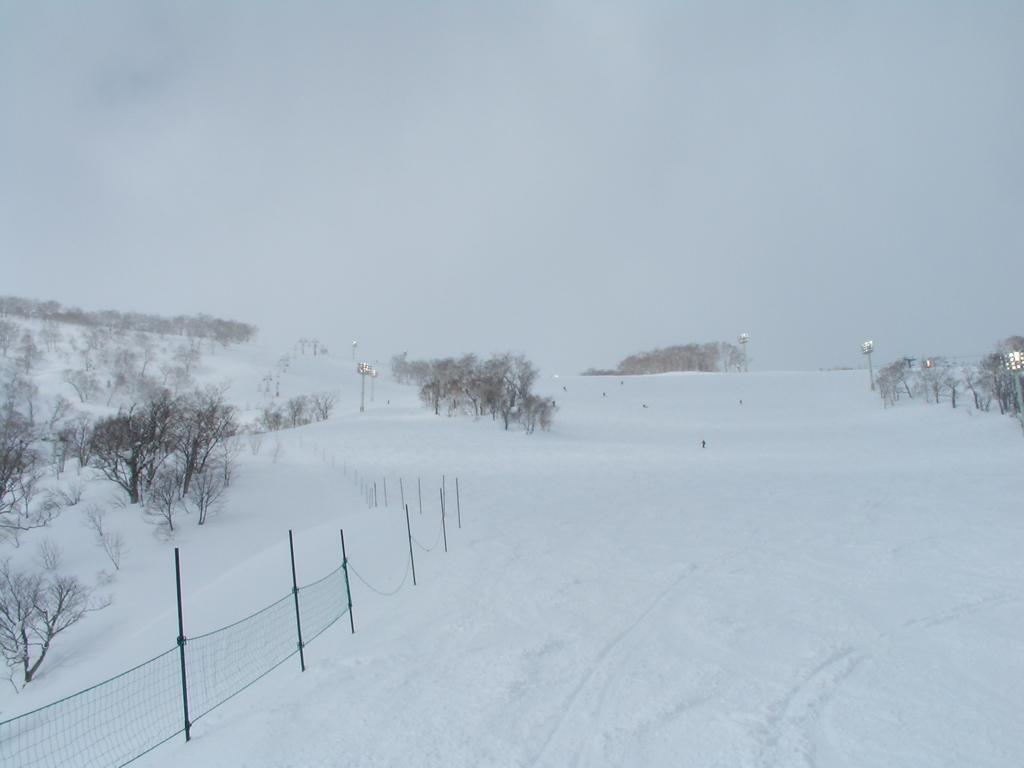
Noboribetsu and Niseko both offer outdoor rotenburo where you soak in mineral-rich volcanic water as snow falls on the cedar surrounds.
Hokkaido milk is the best in Japan — tour the soft-serve windows of Sapporo's Tanukikoji arcade for comparative tastings of melon, lavender, and plain milk.
From late April through October, fireworks rise nightly over this volcanic lake and echo off the surrounding peaks, visible for free from the lakeside promenade. Onsen guests often watch from open-air baths with a drink in hand.
Thin-sliced mutton sizzles over a domed cast-iron grill at long communal tables, a Hokkaido tradition born from the region's sheep-farming past. Pair it with local Sapporo beer for the full effect.
Far from city glow, the rolling farmland around Biei turns into one of Japan's clearest windows onto the Milky Way on cloudless nights. Bring warm layers even in summer, since the plateau cools quickly after dark.
Ski-in, ski-out into the Niseko Village ski area, where the Tatsu spa uses Hokkaido lavender and birch, and suites frame Mount Yotei's perfect volcanic cone.
The Park Hyatt's first ski resort property rises above the Hanazono terrain, pairing 100 minimalist rooms clad in warm cedar with a Shizen spa sanctuary and exclusive après-ski kaiseki at Doko.
Fifteen secluded villas buried in birch forest, each with an indoor and outdoor onsen fed by Niseko's thermal springs — where kaiseki is served privately and the powder snow falls silently outside.
Perched above the Tomamu valley where an ethereal sea of clouds rolls in at dawn, RISONARE's tower suites and the surreal Ice Village — rebuilt entirely from snow each winter — make for an unforgettable highland fantasy.
Rates change — check the live price.
Photography shows the dishes and cuisine — representative, not from the restaurants themselves.
The most celebrated crab restaurant in Sapporo; the multi-course snow-crab dinner justifies the splurge entirely.
Hokkaido miso ramen with butter and corn at a counter barely wider than your shoulders — the original and still the best.
Market-direct Hokkaido fish at a classic Sapporo counter; the sea urchin and salmon roe are from waters visible on a clear day.
Hokkaido's great culinary invention — grilled lamb over a dome-shaped iron plate; the house-marinated shoulder is the thing to order.
Furano's most beloved sweet stop, crafting silky Hokkaido milk puddings and buttery seasonal pastries using locally sourced dairy — the lavender-season specials alone are worth the detour.
A laid-back neighbourhood izakaya just below the Hirafu intersection, Ebisutei serves restorative oden — simmered daikon, fish cake, and eggs in savoury dashi — exactly what tired ski legs demand.
The Hokkaido Rail Pass covers limited-express trains between Sapporo, Hakodate, and Furano — buy before you arrive in Japan.
Biei, Furano, and Cape Kamui require wheels; international driving permits are accepted and roads are clearly signed in English.
Noboribetsu ryokan fill months in advance for winter weekends; the best rooms with private outdoor baths go first.
Even in August, Hokkaido evenings drop below 15°C; winter visits demand serious down and waterproof layers for outdoor activities.
Hokkaido produces Japan's best milk, butter, and cheese — the soft-serve, fresh cream puddings, and butter ramen are not optional.